Science fiction that explores the effects of climate-change is dubbed cli-fi. But what about science fiction that deals with wider environmental issues, and not just climate? Enviro-fi? Is that a thing? It is now!
I had the privilege of reading two amazing near-future enviro-fi books in recent months: Moonrising by Claire Barner and The Midnight Project, by Christy Climenhage.
Although these two titles are very different (one leans into romance and the other into thriller), they begin with a similar premise—struggling scientists, working in the controversial field of genetic modification, receive offers that are too good to refuse. Behind each offer is a wealthy benefactor with world-changing ambitions. That’s where the similarities end.
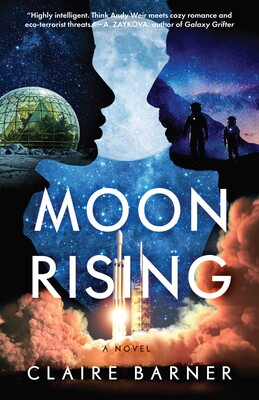
In Moonrising, Alex, an agronomist, travels to the Moon, to establish sustainable agriculture in the budding colony. There, she battles both the practical challenges of farming on the moon, and the prejudices of other settlers against the mutagenetic foods she’s growing. She also falls in love with Monsoor, an Emirati prince/businessman who is funding the project, hoping to turn it into something more than just a hotel for the rich.
There’s also a secondary romance between Monsoor’s brother Rashid, and Alex’s inventor friend Victor, who are pedaling for legislative reforms back on earth.
Meanwhile, a group of protestors are growing increasingly radical in their views against mutagenic food, and the moon colony alike (an illustration of how good intentions with poor understanding can lead to extremism), which culminates in a life or death confrontation, where the MCs must choose what they’re willing to live or die for.
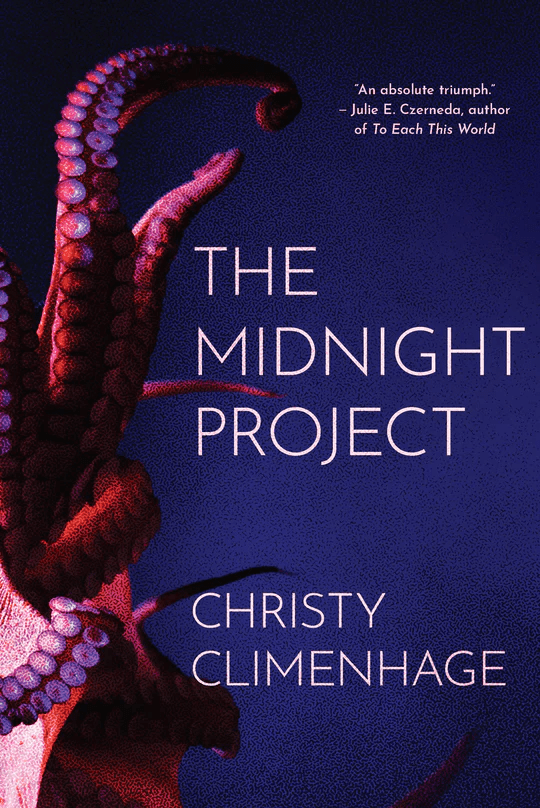
In The Midnight Project, genetic engineers, Raina and Cedric, are asked to create humans that can live at the bottom of the ocean to give failing humanity new hope of survival.
The bees are dying, the world is heading to an apocalypse, and it’s clear that the billionaire Burton Sykes, will go ahead with this idea or without Raina and Cedric. So, the pair agree, even if it means getting creative with laws and ethics.
The result is the Ceph—a hybrid species, comprising humans and cephalopod genes. These creatures are intelligent, but unique, and adamantly not human.
In the meantime, Sykes may not be playing the saviour game he claims he is…
The book offers plenty to think about in terms of ethics, power, responsibility and the future of humanity through the perspective of the most unique found family.
So, does humanity’s salvation lie the depth of space or at the bottom of the ocean? You’ll have to read these books to find out. Both titles are timely, relevant, yet unique, and definitely worth adding to your TBR.
The Midnight Project comes out May 20, 2025 with Wolsak and Wynn.
Moonrising will release July 8, 2025 with Diversion books.
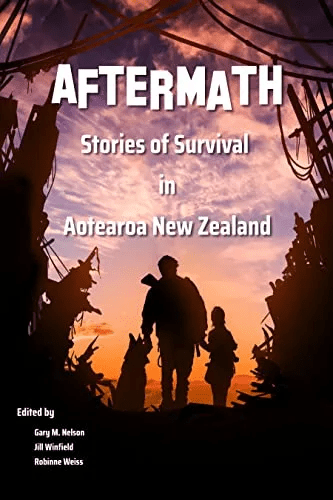
Want even more enviro-fi recommendations? Check out Aftermath: Stories of Survival in Aotearoa New Zealand. It’s an anthology of short stories and poems by SpecFicNZ (a New Zealand speculative fiction association) and features one of my short stories, Windy Wellington, set in a post-apocalyptic capital city.
 A. ZAYKOVA